Handmade Crafts are more than just beautiful products – they are a reflection of creativity, skill, and passion. Every handmade items tells a story because it is carefully designed and created by a person rather than produced by machines. Whether it is a crochet flower, a pipe cleaner bouquet, a handmade greeting card, a candle, or a decorative item, every craft involves patience, imagination, and attention to detail.
In today’s fast world, handmade crafts have become increasingly popular. People love them because they are unique, eco-friendly, and often customizable. Unlike factory-made products, no two handmade creations are exactly alike, making them perfect for gifting and home decoration.
Why Handmade Crafts are so Special?
Handmade Crafts are special because they are created with care rather than mass-produced by machines. Every piece reflects the artist’s creativity, skills, and dedication. This personal touch makes handmade products more meaningful and valuable.
Many people choose handmade products because :
- They are unique and one of a kind.
- Support local artists and small businesses.
- Can be customized for special occasions.
- Often use eco-friendly or recyclable materials.
- Last longer due to careful craftsmanship.
These qualities make handmade crafts perfect for birthdays, anniversaries, weddings, festivals and home decorations. Another reason handmade crafts are valued is that their emotional connection. Personalized handmade gifts make people feel special because they are created with care and thoughtfulness. Whether it is a custom crochet bouquet or a handcrafted greeting card, these gifts create lasting memories.
Materials used to make these crafts
The quality of any handmade crafts depends largely on the materials used. Choosing the right materials ensures that the final product is attractive, durable, and long-lasting. Some of the most commonly used materials are:
Yarn: Cotton, wool and acrylic yarn are widely used for crochet flowers, knitted products, and decorative items. High quality yarn provides a soft texture and vibrant colors.
Pipe Cleaners: Pipe cleaners are flexible wires covered with soft fibers. They are perfect for making colorful flowers, leaves, butterflies, and decorative crafts because they can be easily bent into different shapes.
Decorative Accessories: Crafts are often enhanced with beads, pearls, ribbons, lace, sequins, glitter, artificial leaves, and bows. These details make handmade products more attractive and visually appealing.
Adhesives and Paints: Glue guns, craft glue, acrylic paints, fabric paints, and varnishes are used to assemble, decorate, and protect handmade crafts.
Selecting premium materials not only improves the appearance of handmade crafts but also increases their durability and customer satisfaction.
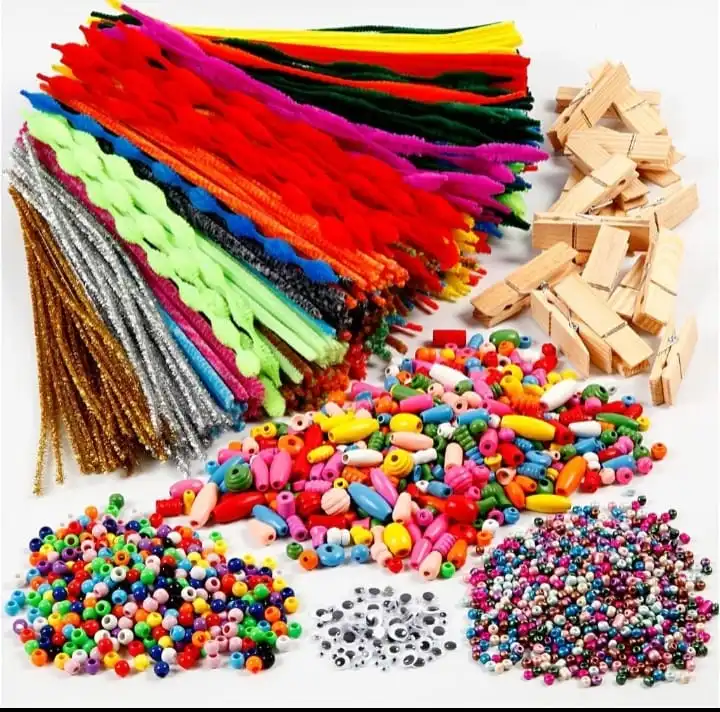
Essential Tools Needed for Handmade crafts
Creating beautiful crafts requires not only creativity but also the right tools. Quality tools help artists work more efficiently, achieve precise results, and improve the overall finish of their products. While the tools vary depending on the type of craft, some basic tools are essential for almost every handmade project.
Scissors: A sharp pair of craft scissors is one of the most important tools. It is used to cut yarn, fabric, ribbons, paper and other crafting materials neatly. Clean cuts help give the final product a professional appearance.
Crochet Hooks: Crochet hooks are essential for making crochet flowers, bouquets, and other yarn-based crafts. They come in different sizes, and choosing the correct hook depends on the type of yarn being used. A suitable hook ensures even stiches and attractive designs.
Needles: Different types of needles are used for stitching fabric, sewing decorative elements, and weaving in yarn ends. Good-quality needles make the crafting process smoother and more precise.
Wire Cutter and Pliers: For crafts involving floral wires or pipe cleaners, wire cutters and pliers are essential. They help shape materials safely and accurately without damaging them.
Storage Containers: Keeping tools and materials organized saves time and protects supplies from damage. Many artisans use storage box, trays, or organizers to keep everything easily accessible.
Using high quality tools not only makes crafting easier but also improves the durability, appearance, and overall quality of handmade products
Step-by step process of making Handmade Products
Every handmade product is made by following a planned process and steps. Making of a particular crafts requires to follow all the steps used in that process of making. The process depend on the type of craft. The complete process of a craft from a simple idea to a finished handmade product is as :
Step 1 : Finding Inspiration
Every handmade craft begins with some inspiration. Artists collect ideas in different form like they often gather ideas from nature, festivals, fashion trends, home decor, social media, customer requests, and everyday life. These inspirations helps them to create original and attractive designs that appeal to customers.
Step 2 : Planning the design
After choosing an idea, the artists prepares a rough design of the craft they have to make. This includes deciding the size, colour combinations, materials, patterns, and overall style of the products. Good planning reduces the probability of mistakes and ensures a balanced final design.
Step 3 : Selecting the right material
Choosing the high-quality material that matches the vibe of the design. Whether it is soft yarn for crochet flower or velvet yarn for plushie toys, colorful pipe cleaners for bouquets, or premium paper for greeting cards, selecting the right material greatly affects the quality and durability of the finished craft.
Step 4 : Creating the craft and adding ecorative details
This is the most stage of the process. The artists carefully cuts, stitches, folds, glues, paints, or crochets the materials according to the design. Every step requires patience, accuracy, and attention to detail. Depending on the complexity of the project, this stage may take several hours or even days.
Once the basic structure is complete, decorative elements such as ribbons, pearls, lace, glitter, artificial leaves, bows, or personalized tags are added. These finishing details make the craft more elegant and visually appealing.
Step 5 : Quality Inspection
Before the craft is sold or gifted, it is thoroughly inspected. The artists checks that all the parts are securely attached, the color matches the design, and there are no visible defects. This quality checks ensures customers receive a product that meets high standards.
Step 6 : Packaging
Beautiful packaging enhances the customer experience and products the craft during transportation. Eco-friendly boxes, tissues paper, ribbons, thank-you cards, and protective wrapping are often used to make the product look premium and gift-ready.
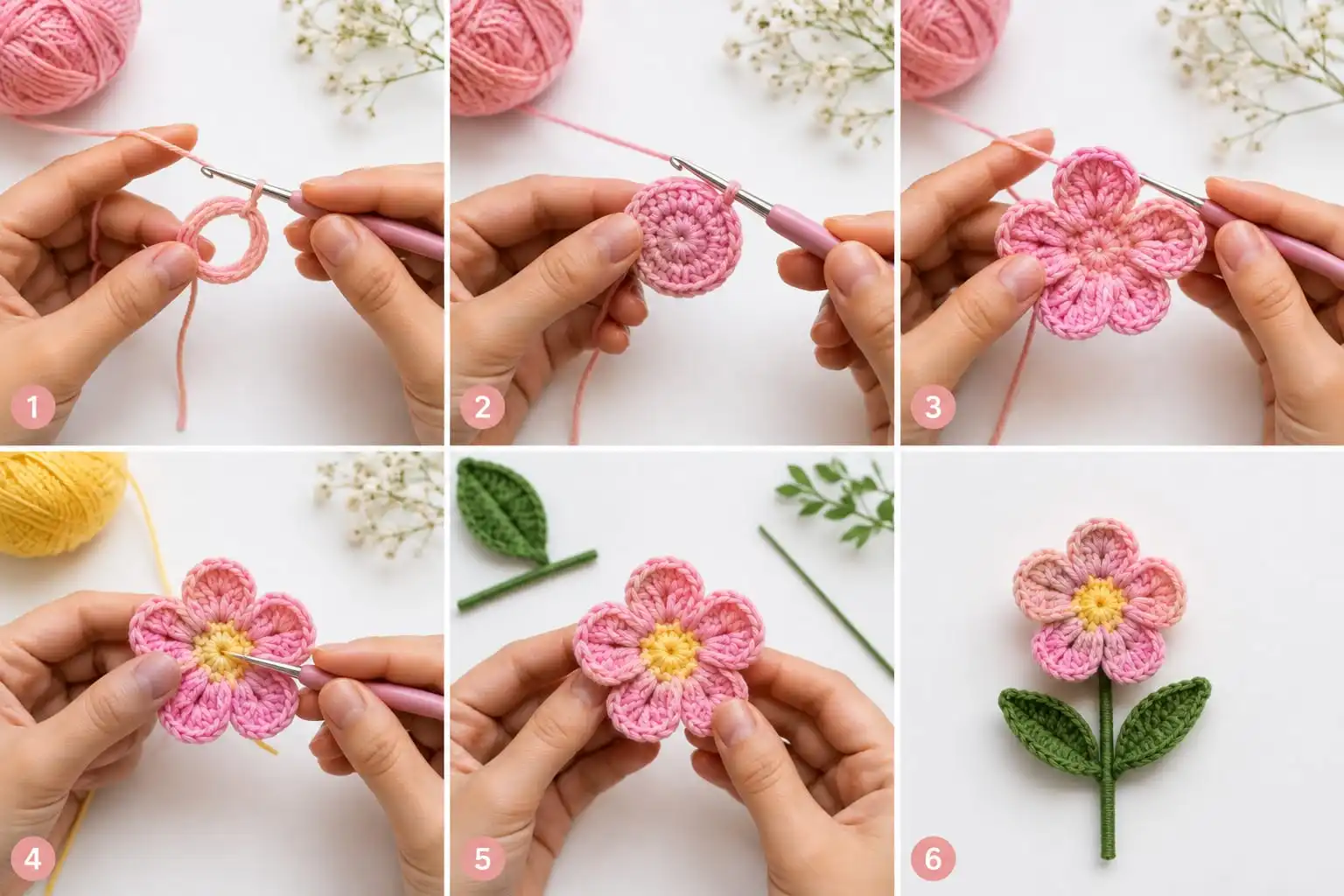
Different types of handmade crafts
The world of handmade crafts is incredibly diverse. Skilled artists create products using a variety of techniques and materials to suit different tastes and occasions.
Crochet Flowers
Crochet flowers are made by looping yarn into beautiful floral designs using a crochet hook. They are long-lasting, require little maintenance, and make excellent gifts for birthdays, anniversaries, and home decoration.
Pipe Cleaner Flowers
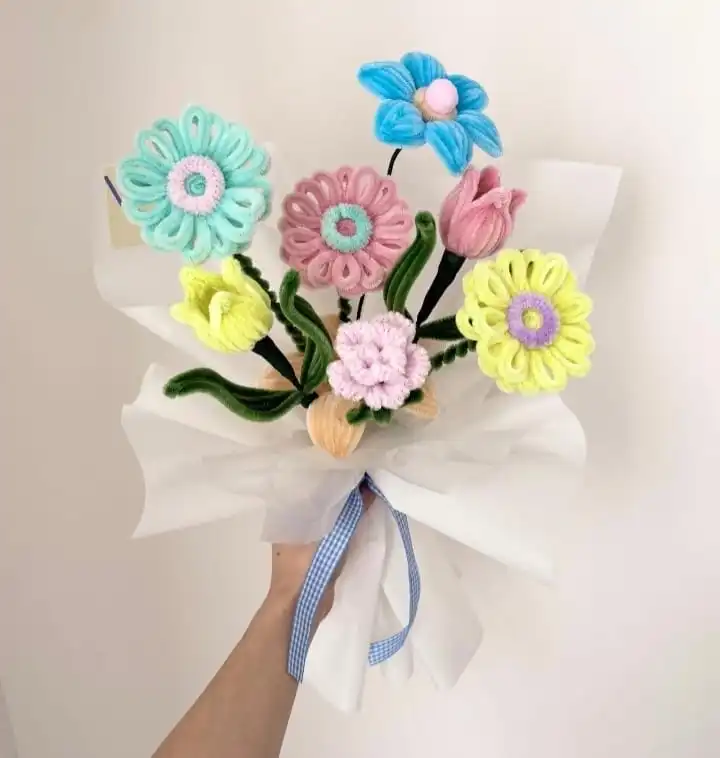
Pipe Cleaner flowers are crafted by bending colorful pipe cleaners into petals, leaves, and stems. These lightweight flowers are vibrant, durable, and popular for bouquets, school projects, and decorative arrangements.
Handmade Greeting Cards
Handmade greeting cards are personalized cards decorated with paper, ribbons, dried flowers, stickers, and calligraphy. They add a thoughtful and personal touch to celebrations such as birthdays, wedding, and festivals.
Candles
Handmade candles are created using natural or scented wax and are available in various shapes, size, colors, designs, and fragrances. They are commonly used for home decor, relaxation and gifting.
Gift boxes and Hampers
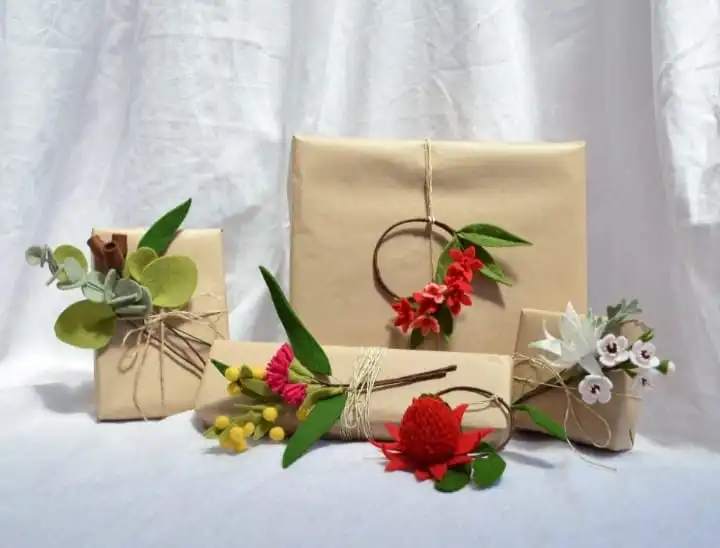
Beautifully decorated gift boxes and hampers combine multiple handmade items into one attractive package. They are specially popular during weddings, festivals, baby showers, and corporate events.
Each type of handmade craft reflects the artist’s creativity and skill, offering customers unique products that can not be replicated by mass production.
Common Challenges in making Handmade Crafts
Although handmade crafting is rewarding, it also requires considerable effort. Understanding these challenges helps customers appreciate the time and skill involved in creating handmade products.
- Handmade crafts can be Time- consuming
- Material Costs
- Maintaining consistent quality
- Learning new techniques
- Packaging and shipping
Tips for beginners to make Handmade crafts
- Start with simple projects
- Choose good-quality materials
- Learn basic techniques
- Practice regurlarly
- Follow tutorials and guides
- Experiment with colors
- Be patient
How to maintain handmade crafts
Taking proper care for handmade products can help them remain beautiful and usable for a longer period.
The correct maintenance method depends on the material used. Crochet products should generally be kept clean and dry, while paper crafts should be protected from moisture. Wooden decorations may require gentle dusting, and delicate decorative items items should be handled carefully.
Regular gentle cleaning can also prevent dust from preventing up. Instead of using harsh chemicals, use cleaning methods suitable for specific materials. With proper care and storage, many handmade crafts can remain attractive for years.
Future of handmade crafts
- Growing demands for handmade products
- Personalized products are becoming popular
- Sustainable crafting
- Handmade crafts and technology
Conclusion
Understanding how handmade crafts are made allows us to appreciate the creativity, patience, and effort behind every handcrafted product. Handmade crafts begins with an idea and goes through several stages, including design planning, material selection, crafting, decoration, quality inspection, and packaging.
Unlike mass-produced products, handmade creations carry a personal touch. Every stich, fold, color and decorative detail reflects the creativity of the person who made it. This is what makes handmade products unique and meaningful.
Handmade crafts can also make wonderful gifts for birthdays, anniversaries, weddings, festivals, and other special occasions. From crochet flowers and pipe cleaner bouquets to handmade cards and decorative products, there are countless ways to bring creativity in everydau life.
As interest in personalized and sustainable products continues to grow, handmade crafts are likely to remain an important part of the gifting, decor, and creative industries. Whether you are buying a handmade product or learning to make one creation represents time, skill, creativity, and care.
Handmade crafts are also an important part of traditional craftsmanship, helping preserve creative skills and knowledge passed from one generation to another. UNESCO highlights traditional craftsmanship as an important from of intangible cultural heritage.

